

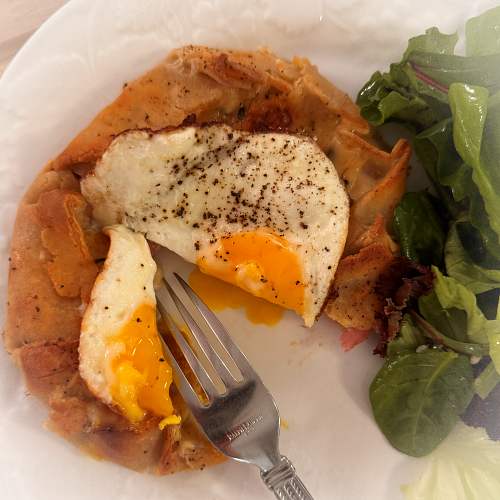
Gluten-free Croque Madame Galette — that’s the dish I made when I wanted to relive a perfect moment... Just the two of us. It was our anniversary road trip: no itinerary, no schedule, just the open road, a strong cup of coffee, and a playlist that couldn’t decide between ‘80s hits and a true-crime podcast. The kind of morning that makes you feel like you’re exactly where you should be.
We stumbled on a small French bistro tucked off the main drag — the type of place that doesn’t try too hard because it doesn’t have to. Buttery air, real linen napkins, and the quiet hum of a kitchen that clearly knew what it was doing.
And then — the Croque Madame, gluten-free (miracle). Golden, melty, perfectly crisp around the edges. Every bite hit that spot between cozy and indulgent — the kind of savory breakfast that slows your conversation and makes you look across the table and think, yep, this is why we do this.
It was a cool fall morning — just enough chill to make that first bite of warm, cheesy comfort feel like a small act of love. We lingered longer than planned, talking about nothing and everything, stretching out the moment because why rush something this good?
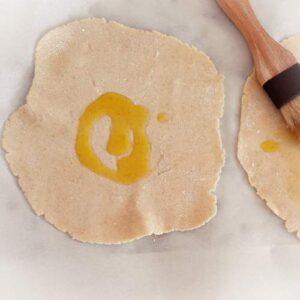
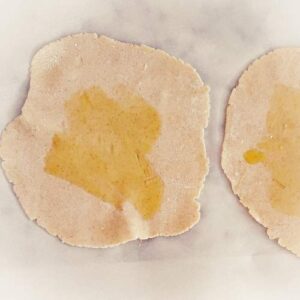
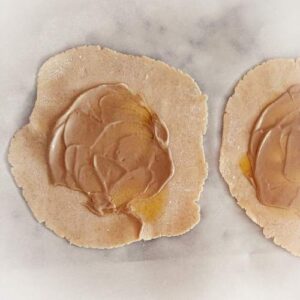
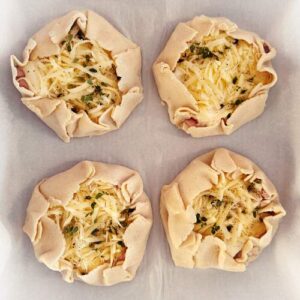
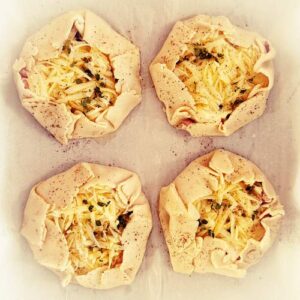
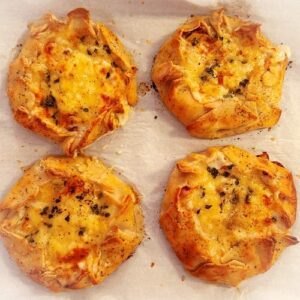
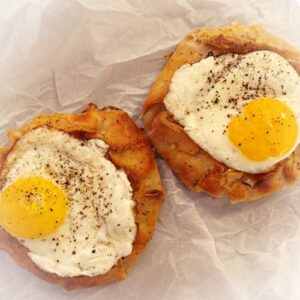
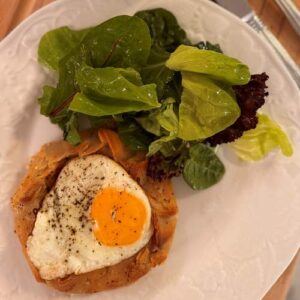
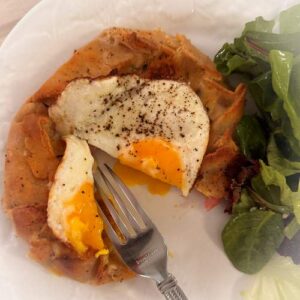
When we got home, I knew I had to chase that memory. So I built my own gluten-free Croque Madame galette recipe — flaky crust, silky béchamel, melted Gruyère, and that golden, runny egg on top that says, “brunch can be a little decadent.” It’s my ode to that morning — a savory, gluten-free galette for anyone who believes the best meals are the ones that make you pause.
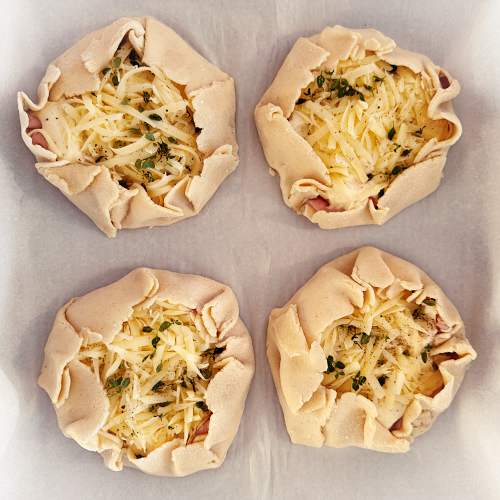
Because some meals deserve to be remembered — and this one was unforgettable.
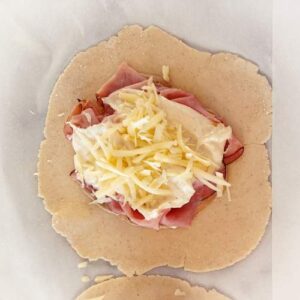
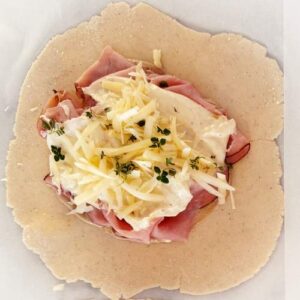
This Gluten-Free Croque Madame Galette takes everything I love about the classic French bistro sandwich, (the buttery toast, the melted cheese, the silky béchamel, the golden egg) and gives it a new life in a flaky, gluten-free crust. It’s indulgent but unfussy, elegant but deeply cozy.
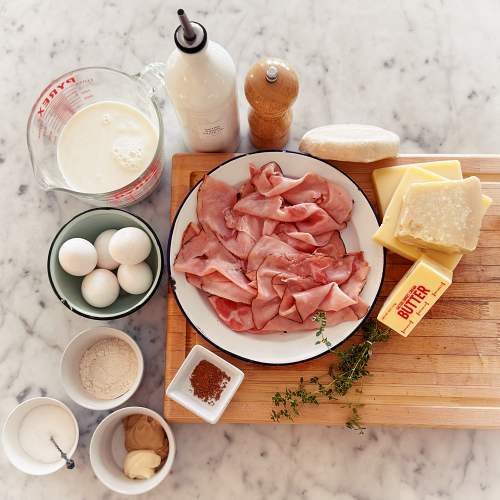
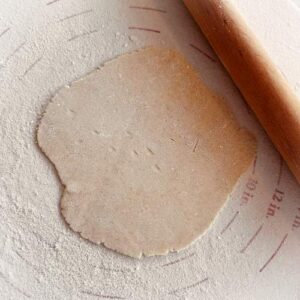
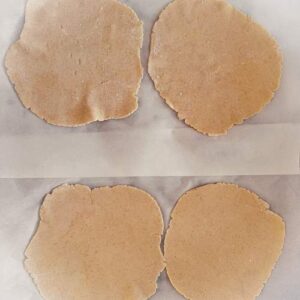
Dough:
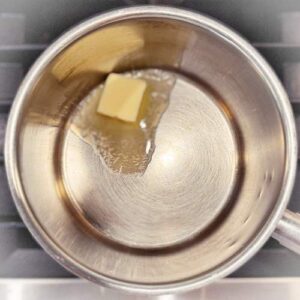
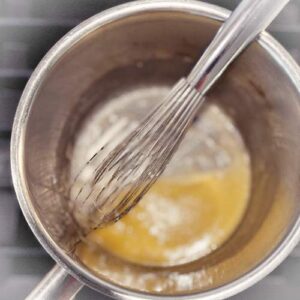
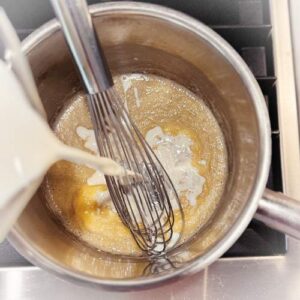
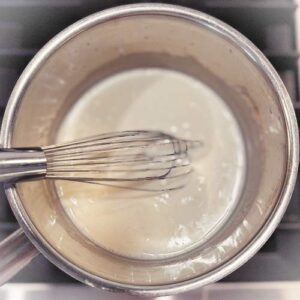
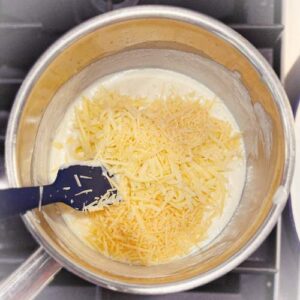
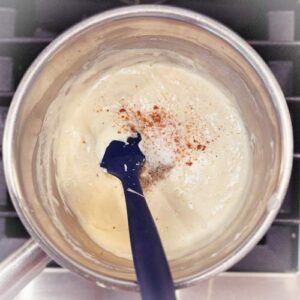
Béchamel:
Filling:
This galette plays well with others — but it doesn’t need them. It’s the culinary equivalent of that one guest who shows up in a perfectly rumpled linen shirt and steals the show without trying.
If you’re feeling extra, try:
Hosting brunch? Pair it with coffee and my Gluten-Free Lemon Icebox Pie for a sweet-and-savory duo that’ll make your table look like a Parisian bakery window.
Here’s to good cooking and good eating.
Craving another savory spin? Try my Gluten-Free Barbeque Chicken Galette — flaky crust and just Like California Pizza Kitchen!
Check out all of my savory gluten-free galettes here!
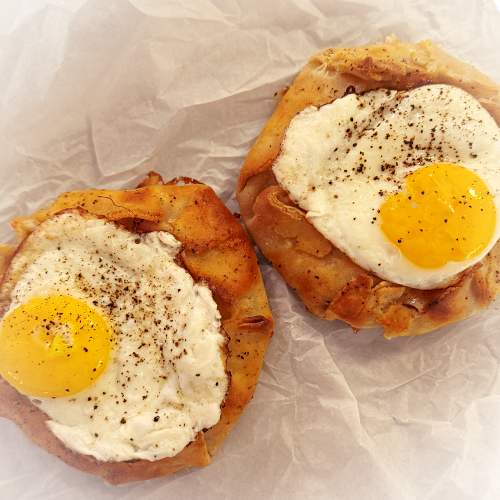
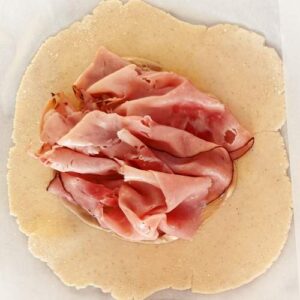
This Gluten-Free Croque Madame Galette takes everything you love about the French bistro classic: the creamy béchamel, melty Gruyère, salty ham, and that golden-yolked egg — and wraps it all up in my signature flaky, gluten-free galette dough. It’s indulgent without being fussy, elegant without trying too hard.
Think brunch favorite meets rustic French countryside. Or maybe just: breakfast (or late-night, date-night meal) that impresses without requiring a beret.
When it comes to baking gluten-free, the type of flour you use can significantly impact the texture and flavor of your final product. Here are some important tips regarding gluten-free flours for your Banana Bread recipe:
I use a custom gluten-free flour blend that I make myself, which weighs approximately 140 grams per cup. This blend typically includes a mix of gluten-free flours such as white and brown rice flour, potato starch, tapioca starch, sorghum and milk powder, providing a balanced texture and flavor for baking.
If you prefer to use a store-bought gluten-free flour blend, it's crucial to check the packaging for the weight per cup, as this can vary between brands. Each manufacturer may have a different formulation, which affects the density and weight of their flour.
Here are several that are available from Amazon:
King Arthur Measure for Measure Gluten-Free Flour
Bob’s Red Mill Gluten Free 1 to 1 Baking Flour
Cup4Cup Gluten Free Multipurpose Flour
None of these flours contain xanthan gum. So if your recipe calls for xanthan gum, omit the extra xanthan if using one of these blends. All of the manufacturers promote these products as a one-to-one replacement.
For the most accurate results, I highly recommend using a digital food scale to measure your gluten-free flour. Measuring by weight ensures that you have the correct amount, leading to more consistent and successful baking outcomes. This method eliminates the variability that can come from measuring by volume, especially with gluten-free flours, which can be compacted or aerated differently.
By paying attention to these details, you'll set yourself up for success in creating a delicious and moist Gluten-Free Banana Bread. Happy baking!
You can use kosher salt in this recipe; however, the crystal of table salt and kosher salt are not the same. So a teaspoon of one is not the same as a teaspoon of the other. Here are equivalents for two commonly available kosher salt brands:
To Replace: 1 teaspoon table salt
• 2 teaspoon diamond Crystal Kosher Salt
• 1 1/2 teaspoons Morton Kosher Salt
Thank you for visiting my site.


