

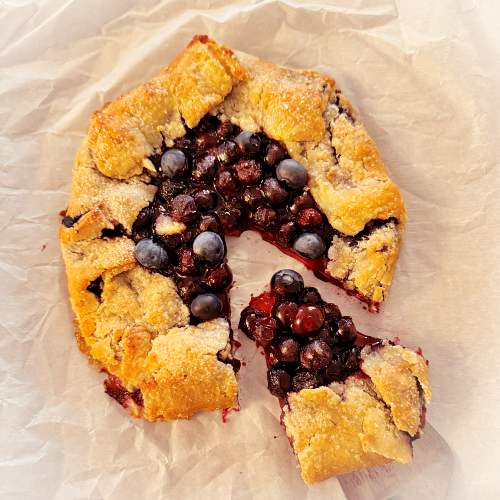
Sometimes you don’t need to feed a crowd — you just need dessert for two (or one, no judgment).
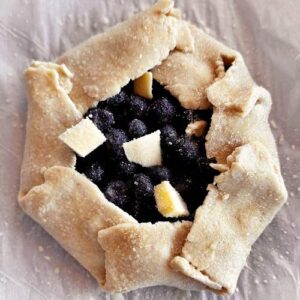
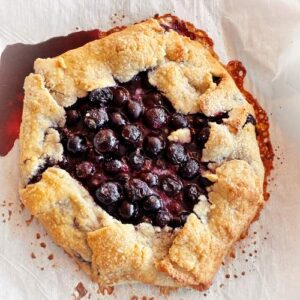
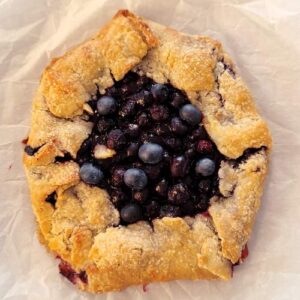
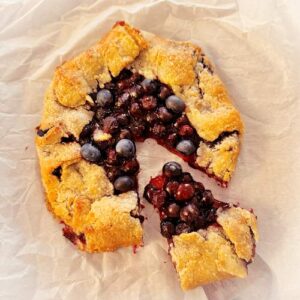
This gluten-free blueberry galette is the answer: a small-batch, rustic tart with juicy berries, bright lemon, and a flaky, golden crust that feels like a celebration in miniature form.
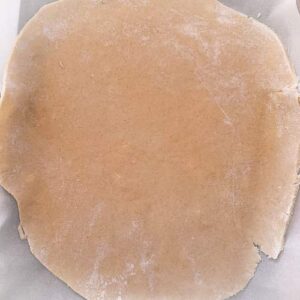
Using just ¼ of my gluten-free pie crust recipe, this petite galette bakes up fast, looks like you totally planned ahead, and delivers that buttery-crisp bite every gluten-free baker dreams of.
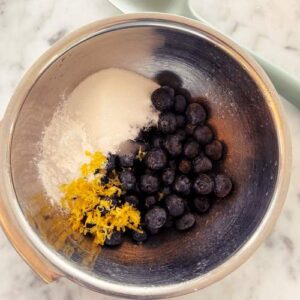
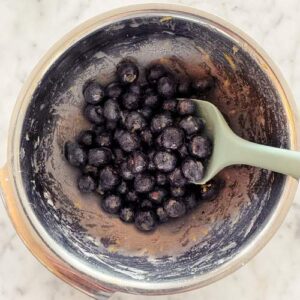
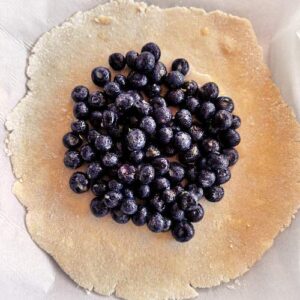
Fresh (or frozen) blueberries bring all the color and tang, while a touch of sugar and lemon zest make them sing. Brush the edges with half and half, sprinkle with coarse sugar if you’re feeling fancy, and bake until the juices bubble up like blueberry jam.
It’s dessert therapy at its best — low effort, high reward, zero leftovers to feel guilty about.
So grab that rolling pin and make yourself something sweet. This one’s just for you (or maybe someone special, if you’re feeling generous).
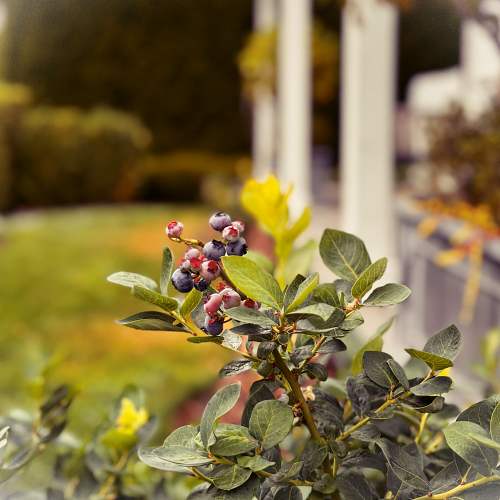
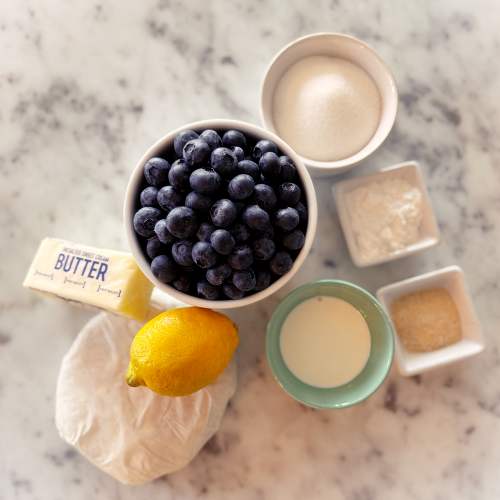
This mini galette is dessert gold (even if it is blue...or purple for that matter). Serve it:
Hosting brunch? (Don't forget to increase the quantities.) Pair it with coffee and your favorite savory galette, like my Gluten-Free BLT Galette for a sweet-and-savory combo that’ll make your table feel like a bakery window.
Here’s to good cooking and good eating.
Craving another sweet spin? Try my Gluten-Free Caramel Pear Galette — flaky crust, luscious pears, and a caramel filling...yum!
Check out all of my sweet gluten-free galettes here!
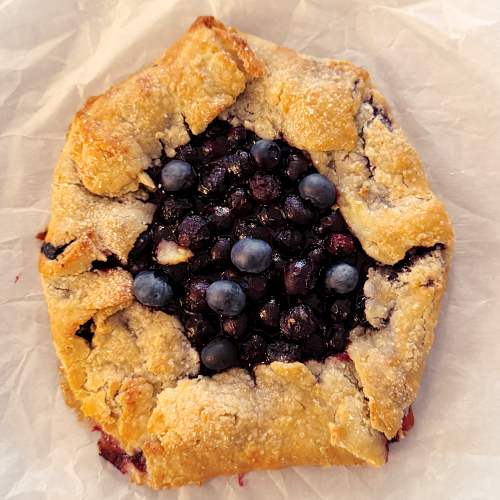
This small-batch gluten-free blueberry galette is buttery, flaky, and bursting with juicy blueberry-lemon flavor. Made with just a quarter of a pie crust, it’s perfect for two — or one really good dessert session.
When it comes to baking gluten-free, the type of flour you use can significantly impact the texture and flavor of your final product. Here are some important tips regarding gluten-free flours for your Banana Bread recipe:
I use a custom gluten-free flour blend that I make myself, which weighs approximately 140 grams per cup. This blend typically includes a mix of gluten-free flours such as white and brown rice flour, potato starch, tapioca starch, sorghum and milk powder, providing a balanced texture and flavor for baking.
If you prefer to use a store-bought gluten-free flour blend, it's crucial to check the packaging for the weight per cup, as this can vary between brands. Each manufacturer may have a different formulation, which affects the density and weight of their flour.
Here are several that are available from Amazon:
King Arthur Measure for Measure Gluten-Free Flour
Bob’s Red Mill Gluten Free 1 to 1 Baking Flour
Cup4Cup Gluten Free Multipurpose Flour
None of these flours contain xanthan gum. So if your recipe calls for xanthan gum, omit the extra xanthan if using one of these blends. All of the manufacturers promote these products as a one-to-one replacement.
For the most accurate results, I highly recommend using a digital food scale to measure your gluten-free flour. Measuring by weight ensures that you have the correct amount, leading to more consistent and successful baking outcomes. This method eliminates the variability that can come from measuring by volume, especially with gluten-free flours, which can be compacted or aerated differently.
By paying attention to these details, you'll set yourself up for success in creating a delicious and moist Gluten-Free Banana Bread. Happy baking!
You can use kosher salt in this recipe; however, the crystal of table salt and kosher salt are not the same. So a teaspoon of one is not the same as a teaspoon of the other. Here are equivalents for two commonly available kosher salt brands:
To Replace: 1 teaspoon table salt
• 2 teaspoon diamond Crystal Kosher Salt
• 1 1/2 teaspoons Morton Kosher Salt
Thank you for visiting my site.


