Note
Nutritional Information
Nutrition information is estimated using standard ingredient data and is provided for informational purposes only. Actual values may vary.
Ripening Bananas for Your Banana Bread
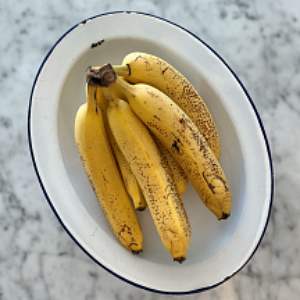
To achieve the sweetest and most flavorful Gluten-Free Banana Bread, using ripe bananas is essential. Here are a few methods to ripen your bananas quickly:
1. Freezing Overnight
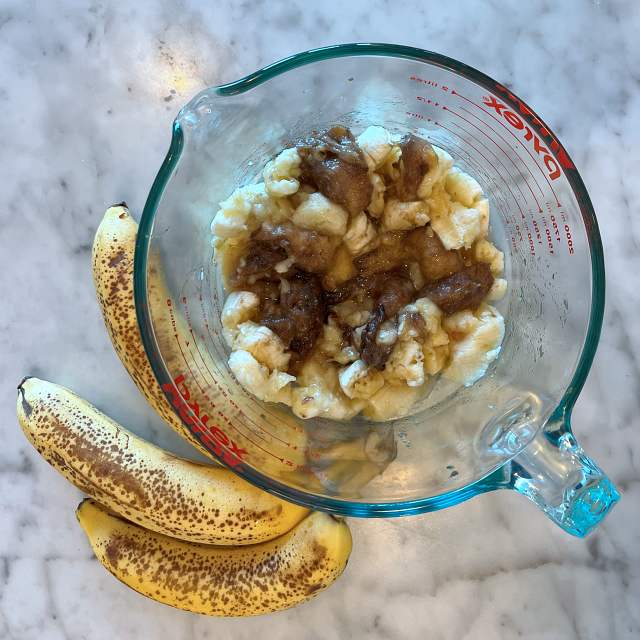
If you have bananas that are not quite ripe enough, you can freeze them overnight. Simply place the bananas in their peels in the freezer. Once frozen, thaw them at room temperature or in the microwave for a few minutes before using. The freezing process breaks down the starches, making them sweeter and easier to mash.
2. Microwave Method
For a quick fix, you can use the microwave. Place the unpeeled bananas on a microwave-safe plate and heat them in 30-second intervals until they are soft. Keep an eye on them to prevent overcooking. This method will also enhance their sweetness, making them perfect for your banana bread.
3. Ripening on the Counter
If you have a bit more time, simply leave your bananas out on the counter at room temperature. They will naturally ripen over a few days. To speed up the process, place them in a paper bag with an apple or a ripe banana, as this will help trap ethylene gas, which promotes ripening.
Why Ripe Bananas Matter
Using ripe bananas not only enhances the sweetness of your banana bread but also contributes to a moist texture. So, choose your ripening method and enjoy the delicious results in your baking!
Gluten-Free Flours
When it comes to baking gluten-free, the type of flour you use can significantly impact the texture and flavor of your final product. Here are some important tips regarding gluten-free flours for your Banana Bread recipe:
1. Homemade Flour Blend
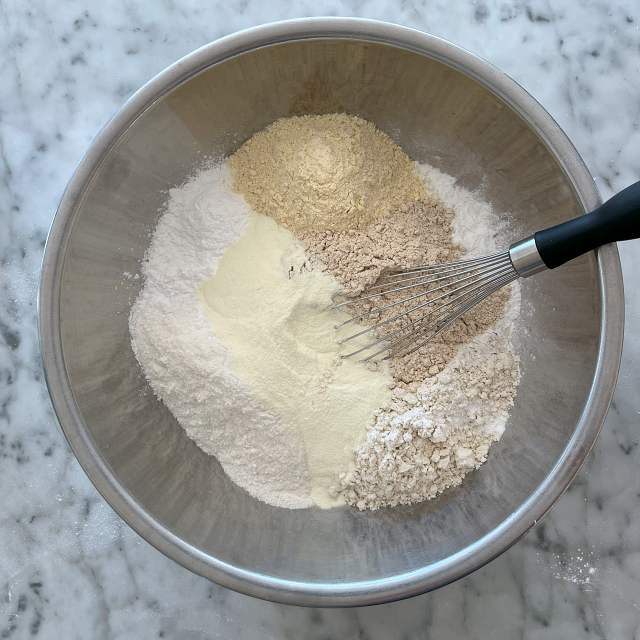
I use a custom gluten-free flour blend that I make myself, which weighs approximately 140 grams per cup. This blend typically includes a mix of gluten-free flours such as white and brown rice flour, potato starch, tapioca starch, sorghum and milk powder, providing a balanced texture and flavor for baking.
2. Store-Bought Gluten-Free Flours
If you prefer to use a store-bought gluten-free flour blend, it's crucial to check the packaging for the weight per cup, as this can vary between brands. Each manufacturer may have a different formulation, which affects the density and weight of their flour.
Here are several that are available from Amazon:
King Arthur Measure for Measure Gluten-Free Flour
Bob’s Red Mill Gluten Free 1 to 1 Baking Flour
Cup4Cup Gluten Free Multipurpose Flour
None of these flours contain xanthan gum. So if your recipe calls for xanthan gum, omit the extra xanthan if using one of these blends. All of the manufacturers promote these products as a one-to-one replacement.
3. Measuring for Accuracy
For the most accurate results, I highly recommend using a digital food scale to measure your gluten-free flour. Measuring by weight ensures that you have the correct amount, leading to more consistent and successful baking outcomes. This method eliminates the variability that can come from measuring by volume, especially with gluten-free flours, which can be compacted or aerated differently.
By paying attention to these details, you'll set yourself up for success in creating a delicious and moist Gluten-Free Banana Bread. Happy baking!
Kosher Salt
You can use kosher salt in this recipe; however, the crystal of table salt and kosher salt are not the same. So a teaspoon of one is not the same as a teaspoon of the other. Here are equivalents for two commonly available kosher salt brands:
To Replace: 1 teaspoon table salt
• 2 teaspoon diamond Crystal Kosher Salt
• 1 1/2 teaspoons Morton Kosher Salt