
A tender, high-rising cake you can make in your PJs before anyone wakes up
I am always looking for ways to create simple, easy, trusted recipes that look like you spent way more effort than you did. This gluten-free blueberry cake is exactly that — a Sunday morning showstopper you can roll out of bed and turn around before anyone wakes up. Still in your pajamas, bedhead and all, bad breath and everything. It’s that simple, and the reward is that great.
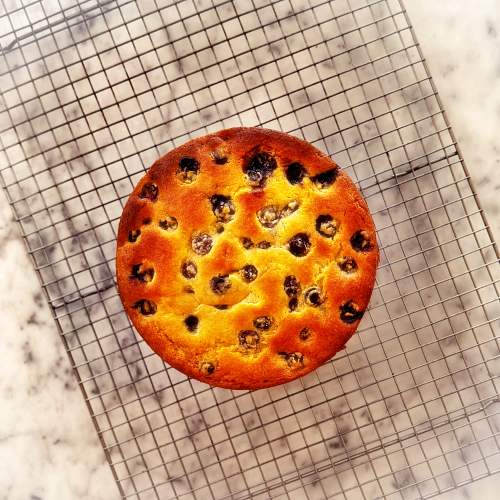
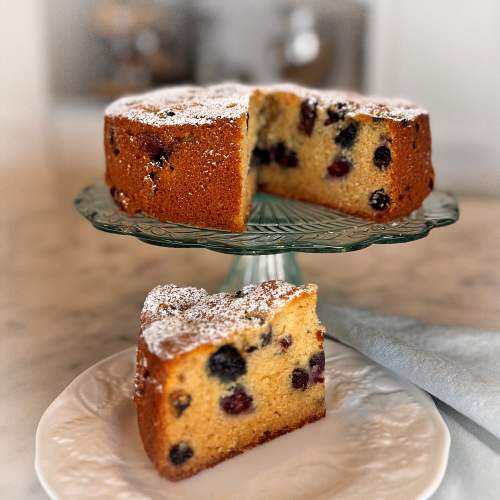
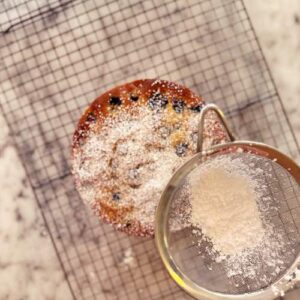
It looks glorious with its flat, golden top where a few blueberries peek through, finished with a light dusting of powdered sugar. It tastes even better — tender crumb, bursts of jammy blueberries, subtle tang from buttermilk. And here’s the best part: it actually improves on day two, so you can bake it Saturday night and wake up to an even better cake Sunday morning.
This isn’t a fussy dessert-case cake. It’s the kind of recipe you’ll make again and again because it works reliably every time and doesn’t demand perfection. Gluten-free baking should be this easy.
Time: 1 hour 30 minutes
Difficulty: Beginner/intermediate
Ingredients & Quick Reference:
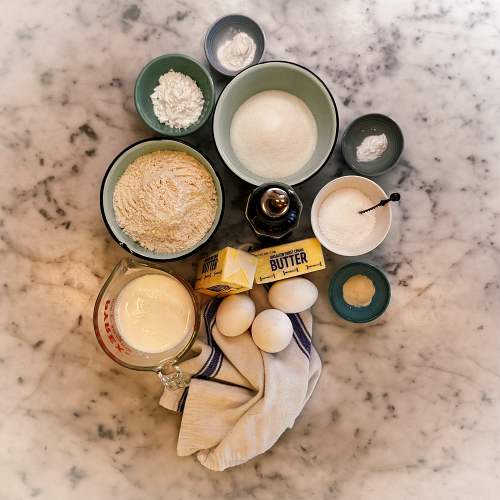
- ¾ cup (12 tbsp) unsalted butter, very soft
- ¾ cup granulated sugar
- 3 large eggs, room temperature
- 1 tbsp vanilla extract
- 1½ cups + 1 tbsp gluten-free flour blend (210g + 15g) — use this blend
- 1½ tsp baking powder
- ½ tsp baking soda
- 1 tsp kosher salt
- ¾ tsp xanthan gum (omit if your flour blend already contains it)
- ¾ cup buttermilk, room temperature*
- 1½ cups fresh blueberries, divided
* If you don’t have buttermilk: mix ½ cup whole milk + ¼ cup sour cream or Greek yogurt.
Finishing:
- Powdered sugar, for dusting
What Actually Matters
✓ Room temperature ingredients ensure proper creaming
✓ 15-minute batter rest prevents gummy texture
✓ Cake tastes better on day two as flavors meld
Equipment You’ll Need
- 8-inch springform pan
- Parchment paper
- Stand mixer or hand mixer
- Two mixing bowls
- Whisk
- Rubber spatula
- Cake pan strips (optional but recommended for even baking)
- Wire cooling rack
- Instant-read thermometer (optional)
- Fine-mesh sieve (for dusting powdered sugar)
Try These Sunday Morning Recipes
- Gluten-Free Galettes – Savory and sweet galettes for every occasion.
- Gluten-Free Scones – Chewy, tender, and tested to perfection.
- Everyone’s Favorite – Gluten-Free Banana Bread
Storage & Make-Ahead
- Store covered at room temperature for 2 days, or refrigerated for up to 5 days. The cake actually tastes better on day two as the flavors meld and the crumb softens slightly.
- Can be frozen (wrapped tightly) for up to 3 months. Thaw at room temperature before serving. Dust with powdered sugar just before serving.
- Here’s to good cooking and good eating.

Gluten-Free Sunday Morning Blueberry Cake
Description
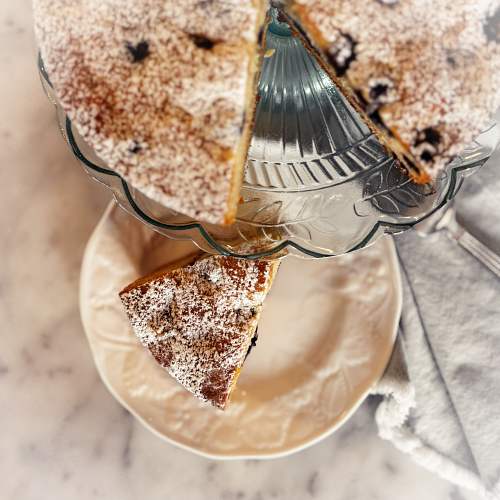
A tender gluten-free blueberry cake with a light, fluffy crumb. Made with fresh blueberries and buttermilk, it slices clean and tastes even better the next day... if it lasts that long.
Ingredients
Gluten-Free Blueberry Cake Instructions
-
Preheat and Prep Pan
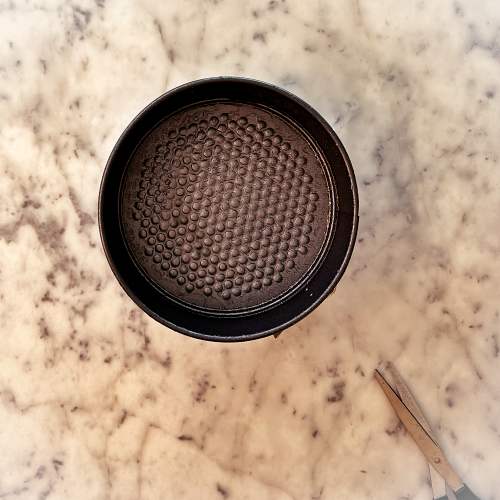
- Heat oven to 350°F. Line the bottom of an 8-inch springform pan with parchment and lightly grease the sides.

-
Prepare wet ingredients
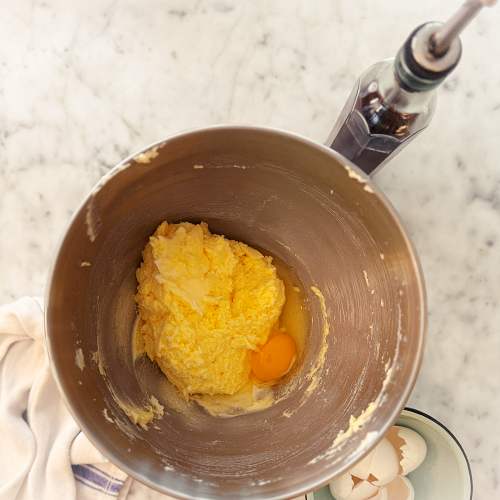
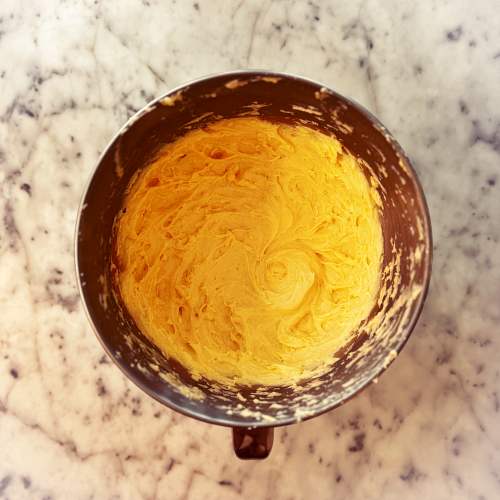
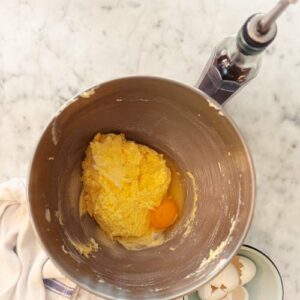
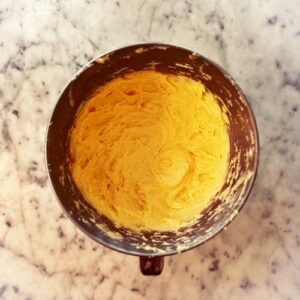
- Using a hand mixer or stand mixer, cream butter and sugar until pale, fluffy, and visibly increased in volume, 3–5 minutes.
- Add eggs one at a time, beating well after each addition. Mix in vanilla.
-
Prepare Dry Ingredients
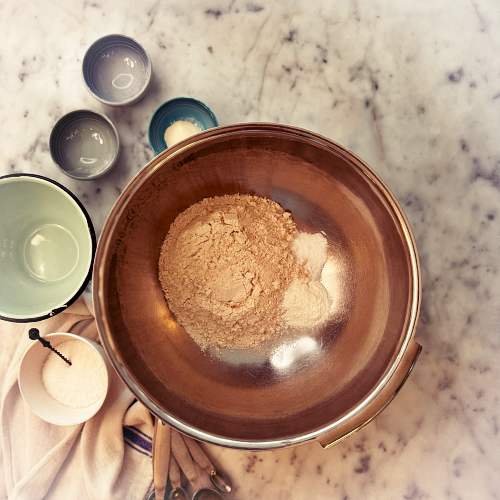
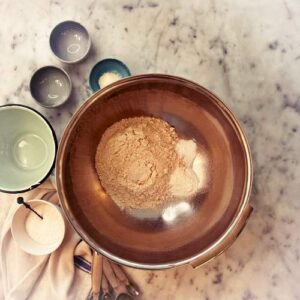
- In a separate bowl, whisk flour, baking powder, baking soda, salt, and xanthan gum.
-
Mix wet and dry with buttermilk
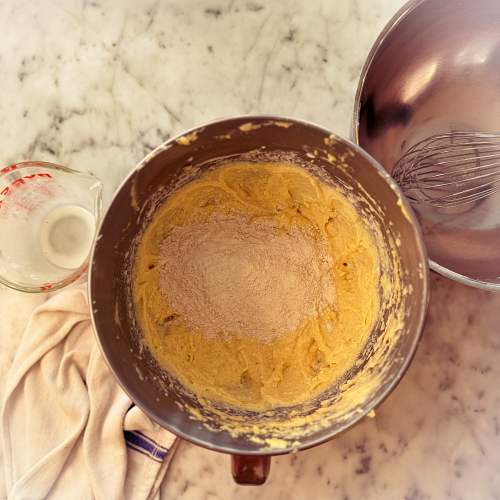
- With mixer on low, add dry ingredients and buttermilk alternately, beginning and ending with dry. Mix just until combined.
- Let batter rest 15 minutes.
-
Add the berries
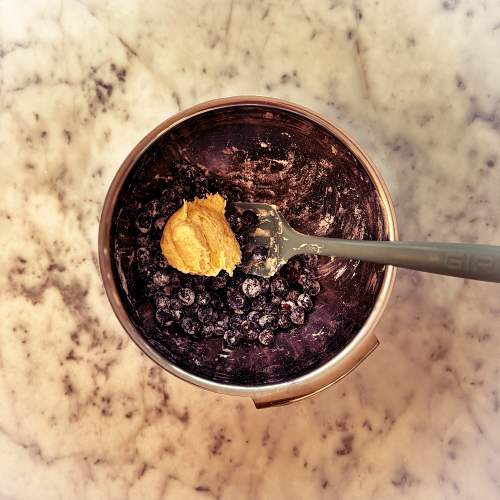
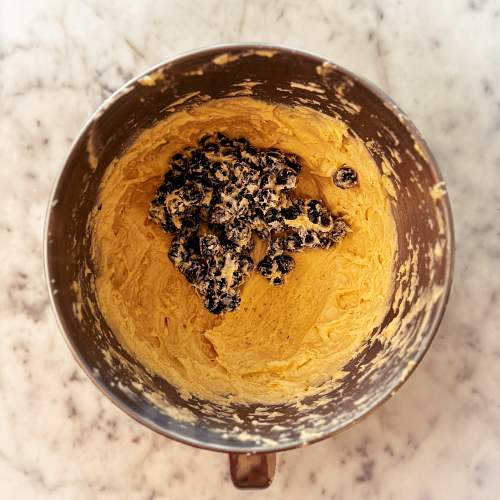
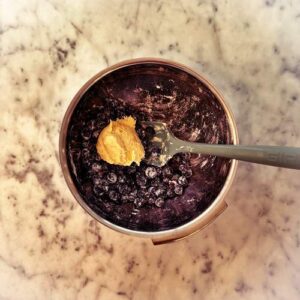
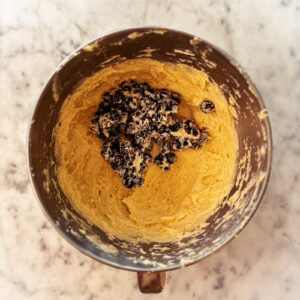
- Toss 1 ½ cups blueberries with 1 tbsp gluten-free flour and then fold into ¼ cup of batter to coat them.
- Reserve ¼ cup of berries.
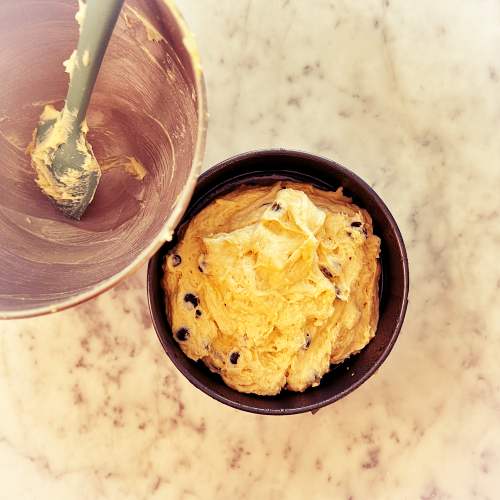
- Gently fold 1 ¼ cups of the berries into the rested batter.
-
Transfer, rest and bake
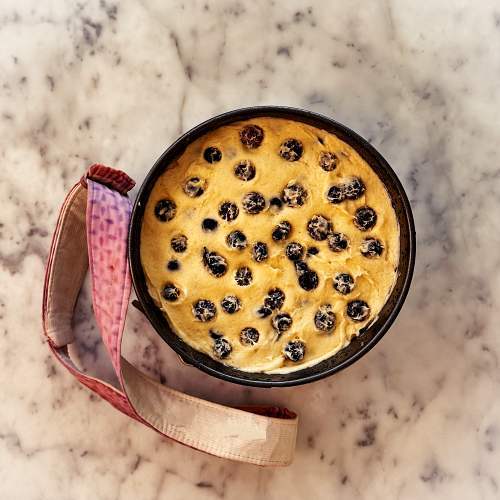
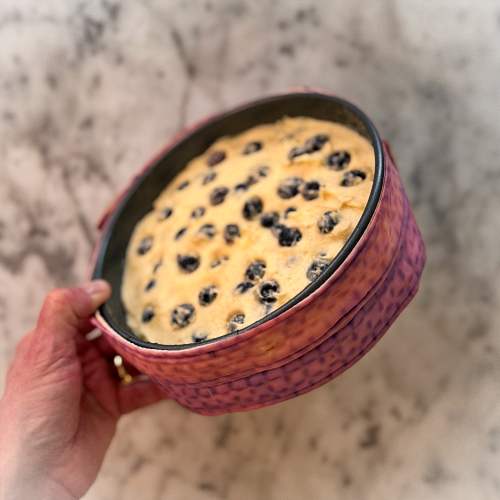
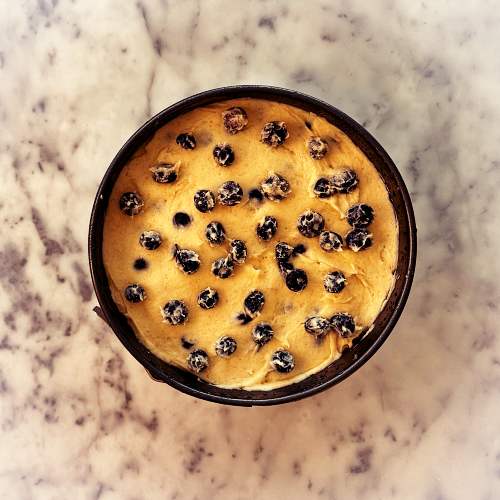
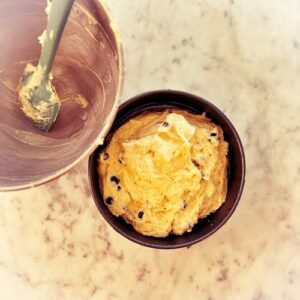
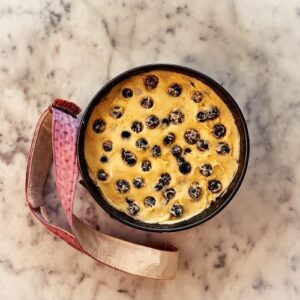
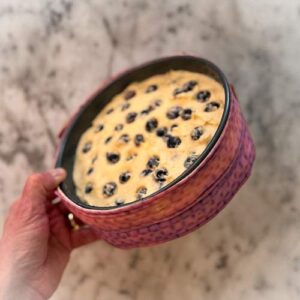
- Transfer batter to prepared pan and smooth the surface. Press remaining blueberries lightly into the top.
- Bake 55–65 minutes, until the center springs back and a tester shows moist crumbs (or internal temperature reaches ~200–205°F).
- Cool for 15 minutes in the pan, release, and cool completely.
- Dust with powdered sugar just before serving.
Nutrition Facts
Servings 12
- Amount Per Serving
- Calories 285kcal
- % Daily Value *
- Total Fat 14g22%
- Saturated Fat 8g40%
- Trans Fat 0g
- Cholesterol 95mg32%
- Sodium 275mg12%
- Total Carbohydrate 35g12%
- Dietary Fiber 1g4%
- Sugars 14g
- Protein 4g8%
* Percent Daily Values are based on a 2,000 calorie diet. Your daily value may be higher or lower depending on your calorie needs.
Note
Nutrition information is approximate and based on ¼ cup serving size.
Hints for success:
- Room temperature matters: Cold ingredients prevent proper emulsification and rise. Cold ingredients can also slow the baking time. That is why I also recommend using fresh berries rather than frozen.
- Don’t skip the rest: The 15-minute batter rest is key to a tender, non-gummy crumb.
- Cake pan strips are key: They ensure even baking and prevent doming — this is how you get that flat top
- Temperature or the toothpick test: Moist crumbs are good; wet batter means it needs more time. The best gauge is an instant read thermometer - the internal temperature should be 200–205° F. If you don’t have one, use a tooth pick - when poked into the cake it should come out clean.
- Dust with powdered sugar just before serving: If you do it too early, it will absorb into the cake
Gluten-Free Flours
When it comes to baking gluten-free, the type of flour you use can significantly impact the texture and flavor of your final product. Here are some important tips regarding gluten-free flours.
1. Homemade Flour Blend
This blend weighs approximately 140 grams per cup. This blend includes a mix of gluten-free flours such as white and brown rice flour, potato starch, tapioca starch, sorghum and milk powder, providing a balanced texture and flavor for baking.
2. Store-Bought Gluten-Free Flours
If you prefer to use a store-bought gluten-free flour blend, it's crucial to check the packaging for the weight per cup, as this can vary between brands. Each manufacturer may have a different formulation, which affects the density and weight of their flour.
Here are several that are available from Amazon:
King Arthur Measure for Measure Gluten-Free Flour
Bob’s Red Mill Gluten Free 1 to 1 Baking Flour
Cup4Cup Gluten Free Multipurpose Flour
None of these flours contain xanthan gum. So if your recipe calls for xanthan gum, omit the extra xanthan if using one of these blends. All of the manufacturers promote these products as a one-to-one replacement.
3. Measuring for Accuracy
For the most accurate results, I highly recommend using a digital food scale to measure your gluten-free flour. Measuring by weight ensures that you have the correct amount, leading to more consistent and successful baking outcomes. This method eliminates the variability that can come from measuring by volume, especially with gluten-free flours, which can be compacted or aerated differently.
About Xanthan Gum
Xanthan gum replaces the structure that gluten normally provides. It helps doughs hold together, trap air, and bake with better shape and texture. But more is not better. Too much xanthan creates gummy, rubbery, or dense textures.
My Rule of Thumb:
½ teaspoon xanthan gum per 2 cups of gluten-free flour.
This works reliably for many cookies, cakes, and quick breads.
When to Adjust:
- Cookies: Stick with ½ tsp per 2 cups — keeps them tender without chewiness
- Cakes: Increase slightly to ½–¾ tsp per 2 cups — adds structure without making the crumb elastic
- Quick Breads & Muffins: Use ¾ tsp per 2 cups — helps with lift and moisture
- Yeast Breads & Pizza Dough: Use 1 tsp per 2 cups — provides the elasticity ye
Pin this recipe and share it with your followers.
Frequently Asked Questions
Can I use frozen blueberries?
Yes. Use them straight from the freezer and toss with flour as directed. Expect slightly longer bake time and a bit more sinking.
Why does the batter rest?
Gluten-free flours need time to absorb liquid. This prevents gumminess and improves structure.
Can I use a regular cake pan instead of springform?
Yes. Line the bottom with parchment and grease well. A 9-inch round pan will work; start checking 5–10 minutes earlier.
Can this be dairy-free?
You can use plant-based butter and dairy-free milk with yogurt or sour cream. Texture will be slightly less tender but still good.
What is the purpose of xanthan gum in gluten-free baking?
Xanthan gum is a common additive in gluten-free baking. It helps mimic the binding and elasticity properties of gluten, improving the texture and structure of gluten-free baked goods.
Leave a Comment