
Steve’s In The Kitchen Gluten-Free Flour Blend
This all purpose gluten-free flour blend works for everything — cookies, cakes, flaky pie crusts. It’s cheaper than store-bought, more consistent, and you control what goes in it. I adapted this from an America’s Test Kitchen cookbook and tweaked the ratios until it worked reliably for my kitchen.
The key difference? No xanthan gum in the blend itself. I add it per recipe based on what I’m making, which gives you way more control over texture. Too much xanthan makes things gummy; too little and your cookies fall apart. This way, you decide.
Don’t want to DIY? King Arthur Measure for Measure Gluten-Free Flour, Bob’s Red Mill Gluten Free 1 to 1 Baking Flour, and Cup4Cup Gluten Free Multipurpose Flour all work as one-to-one replacements. They already contain xanthan gum, so skip adding extra if you use them.
Time: 10 minutes
Difficulty: Beginner
Ingredients and Math – Quick Reference:
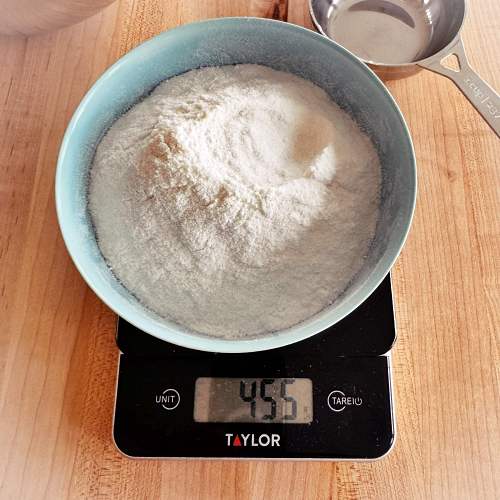
- White rice flour: 455 g (16 oz)
- Brown rice flour: 455 g (16 oz)
- Potato starch: 340 g (12 oz)
- Tapioca flour: 225 g (8 oz)
- Sorghum flour: 285 g (10 oz)
- Nonfat milk powder: 85 g (3 oz)
Weight per cup: ~140g
Total yield: ~13 cups (1,845g)
If You Want to Geek Out:
Total Weight (grams):
455 + 455 + 340 + 225 + 285 + 85 = 1,845g
Total Weight (ounces):
1,845g ÷ 28.35 = ~65 oz
Note: (28.35 grams = 1 ounce, exact conversion)
Total Cups:
1,845g ÷ 140g per cup = ~13.2 cups
What Actually Matters:
✓ Weigh ingredients — volume measurements for gluten-free flour are unreliable
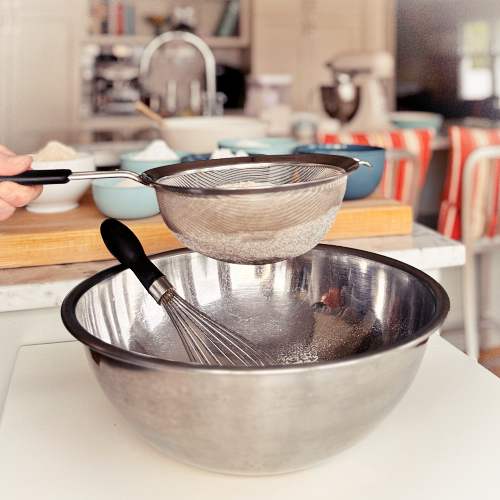
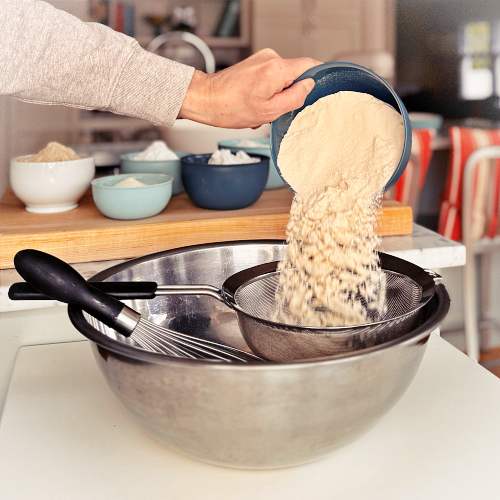
✓ Sift or shake before measuring — lighter starches settle at the top
✓ Milk powder adds protein — improves texture and tenderness
✓ This blend weighs ~145g per cup — commercial blends vary, so check packaging
Equipment You’ll
- Digital Food Scale (Required): This recipe is built on weight, not volume. If you don’t have a scale, skip this recipe — gluten-free flour blends demand precision for consistent results.
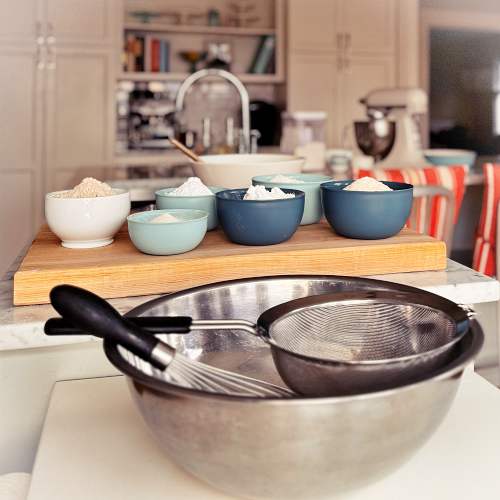
- Large Mixing Bowl: For combining all dry ingredients thoroughly and evenly.
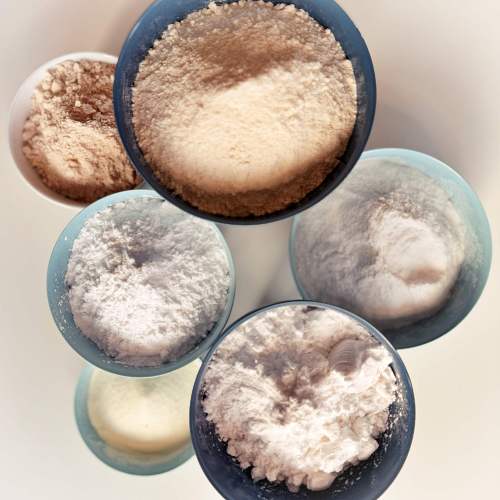
- Small Mixing Bowls: Useful for weighing individual ingredients before combining. Helps prevent mistakes and keeps ratios accurate.
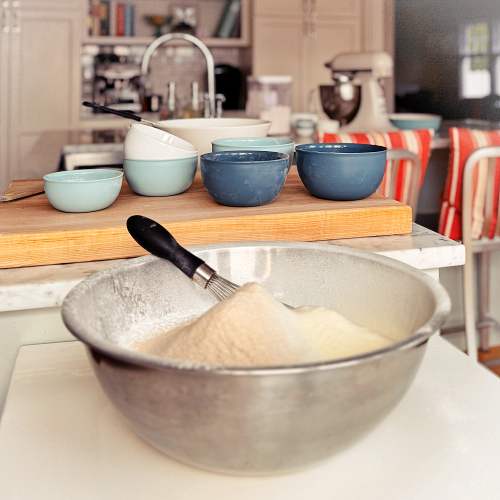
- Metal Whisk: Essential for evenly distributing starches and preventing clumps.
- Large Airtight Container: For storing the finished flour blend. Choose one with enough room to shake or stir before use.
Try These Recipes Using This Flour
- Gluten-Free Galettes – Savory and sweet galettes for every occasion.
- Flaky and Flavorful Gluten-Free Pie Crust – Perfect for sweet or savory pies.
- Gluten-Free Cowboy Cookies – Chewy, tender, and tested to perfection.
- Everyone’s Favorite – Gluten-Free Banana Bread
Storage & Make-Ahead
- Store in a cool, dry, airtight container.
- Can be made in bulk — more consistent than commercial blends and cheaper.
Here’s to good cooking and good eating.

All-Purpose Gluten-Free Flour Blend for Cookies, Cakes, Pies, and More
Description
This all purpose gluten-free flour blend delivers on texture and flavor. No gummy cookies, no crumbly pie crusts — just reliable results every time. Mix it once, store it for months, and use it in any recipe that calls for gluten-free flour. It's the workhorse ingredient your gluten-free kitchen has been missing.
Ingredients
Instructions
-
Weigh and Mix
- Gather all ingredients.
- Weigh each ingredient with a digital food scale.
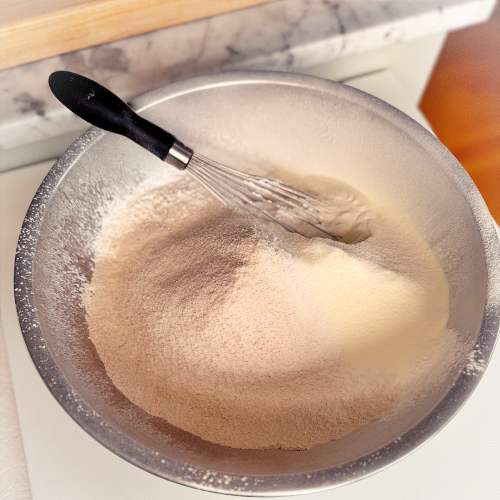
- Combine all ingredients in a large bowl.
- Whisk thoroughly until completely uniform — no streaks of any single flour should remain.
- Transfer to an airtight container.
-
Before Each Use
- Shake or gently stir the container. Starches settle, and you want everything evenly distributed.
- Measure with a digital food scale.
Nutrition Facts
Servings 50
- Amount Per Serving
- Calories 135kcal
- % Daily Value *
- Total Fat 0.6g1%
- Saturated Fat 0.1g1%
- Trans Fat 0g
- Cholesterol 0mg
- Sodium 0mg
- Total Carbohydrate 30g10%
- Dietary Fiber 2g8%
- Sugars 0.2g
- Protein 3g6%
- Calcium 30 mg
- Iron 0.6 mg
* Percent Daily Values are based on a 2,000 calorie diet. Your daily value may be higher or lower depending on your calorie needs.
Note
Yield: ~13 cups (1,845g)
Servings: 50 servings at ¼ cup (36.5g) each
Nutrition information is approximate and based on ¼ cup serving size.
Gluten-Free Flours
When it comes to baking gluten-free, the type of flour you use can significantly impact the texture and flavor of your final product. Here are some important tips regarding gluten-free flours.
1. Homemade Flour Blend
This blend weighs approximately 140 grams per cup. This blend includes a mix of gluten-free flours such as white and brown rice flour, potato starch, tapioca starch, sorghum and milk powder, providing a balanced texture and flavor for baking.
2. Store-Bought Gluten-Free Flours
If you prefer to use a store-bought gluten-free flour blend, it's crucial to check the packaging for the weight per cup, as this can vary between brands. Each manufacturer may have a different formulation, which affects the density and weight of their flour.
Here are several that are available from Amazon:
King Arthur Measure for Measure Gluten-Free Flour
Bob’s Red Mill Gluten Free 1 to 1 Baking Flour
Cup4Cup Gluten Free Multipurpose Flour
None of these flours contain xanthan gum. So if your recipe calls for xanthan gum, omit the extra xanthan if using one of these blends. All of the manufacturers promote these products as a one-to-one replacement.
3. Measuring for Accuracy
For the most accurate results, I highly recommend using a digital food scale to measure your gluten-free flour. Measuring by weight ensures that you have the correct amount, leading to more consistent and successful baking outcomes. This method eliminates the variability that can come from measuring by volume, especially with gluten-free flours, which can be compacted or aerated differently.
About Xanthan Gum
Xanthan gum replaces the structure that gluten normally provides. It helps doughs hold together, trap air, and bake with better shape and texture. But more is not better. Too much xanthan creates gummy, rubbery, or dense textures.
My Rule of Thumb:
½ teaspoon xanthan gum per 2 cups of gluten-free flour.
This works reliably for many cookies, cakes, and quick breads.
When to Adjust:
- Cookies: Stick with ½ tsp per 2 cups — keeps them tender without chewiness
- Cakes: Increase slightly to ½–¾ tsp per 2 cups — adds structure without making the crumb elastic
- Quick Breads & Muffins: Use ¾ tsp per 2 cups — helps with lift and moisture
- Yeast Breads & Pizza Dough: Use 1 tsp per 2 cups — provides the elasticity ye
Pin this recipe and share it with your followers.
Frequently Asked Questions
Can I substitute other flours in this gluten-free blend?
You can swap sorghum for millet; or even add millet (I've tried this). But be aware millet has a slightly grainier texture and can add a mild aftertaste. The rice flours, starches, and milk powder are essential to the blend's structure — I don't recommend substituting those.
Do I need xanthan gum if I'm using this flour blend?
Yes, unless you're using a recipe specifically designed for gluten-free flour without xanthan gum. My blend doesn't include xanthan gum, so you'll need to add it separately. Use ½ teaspoon per 2 cups of flour for most recipes (see the xanthan gum in the notes section for more detail).
Can I make this flour blend dairy-free?
You sure can! Substitute the nonfat milk powder with plant-based milk powder (soy, oat, or coconut). The milk powder adds protein and tenderness, and also helps with browning, so don't skip it entirely — just use a dairy-free version.
How long does homemade gluten-free flour last?
Stored in an airtight container in a cool, dry place, this blend will keep for 3+ months. I'm always running out so it never lasts that long in my kitchen. For longer storage, keep it in the refrigerator or freezer (up to 6 months). Always shake or stir before using, as the starches can settle.
What is the purpose of xanthan gum in gluten-free baking?
Xanthan gum is a common additive in gluten-free baking. It helps mimic the binding and elasticity properties of gluten, improving the texture and structure of gluten-free baked goods.
Leave a Comment